
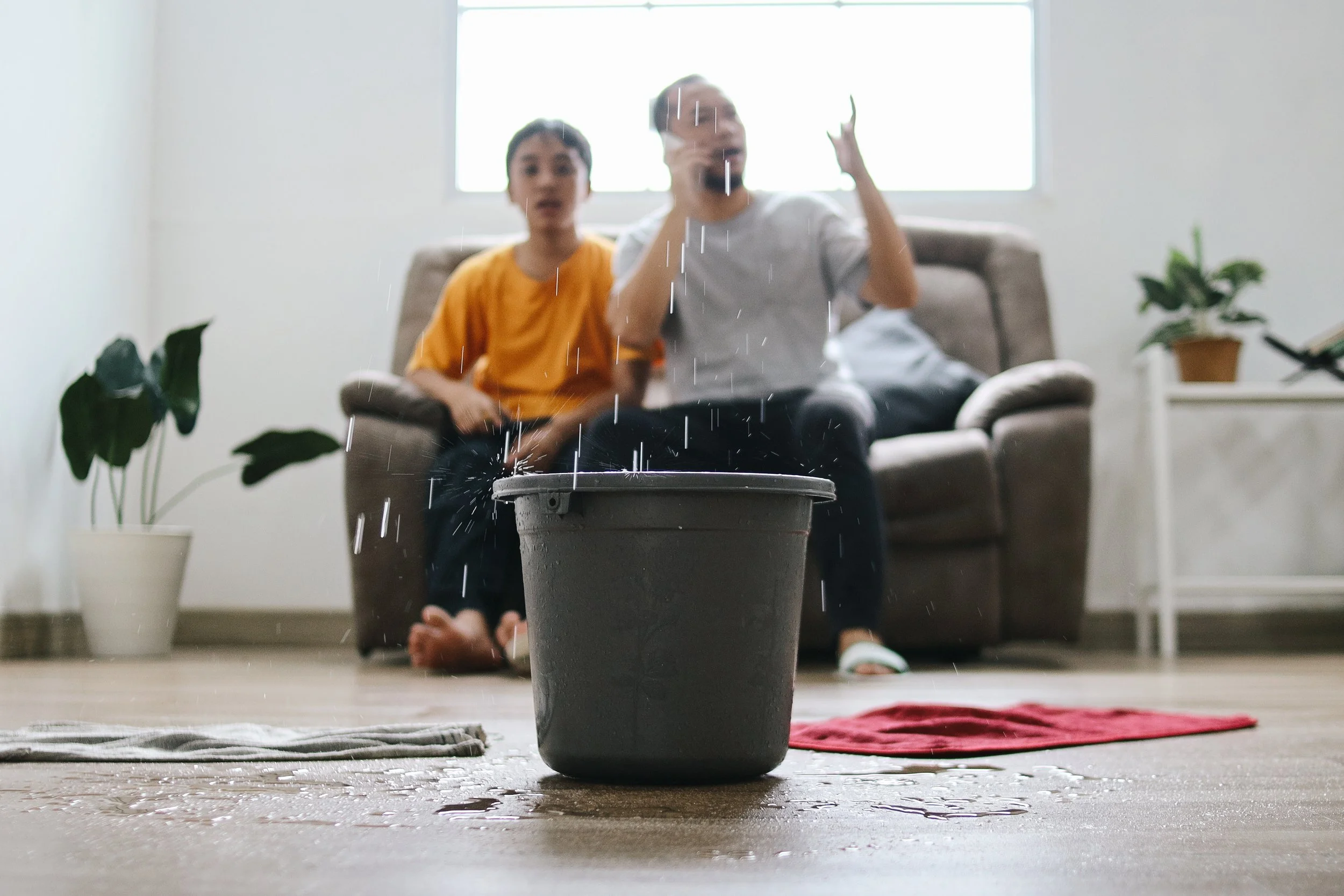
Why Pipes Often Fail Weeks After a Freeze
Freeze damage doesn’t always show up when temperatures drop. In many Houston homes, plumbing issues appear weeks later—after pipes have already been weakened by freezing temperatures. Learn why delayed pipe failures happen and what homeowners should check after a freeze.
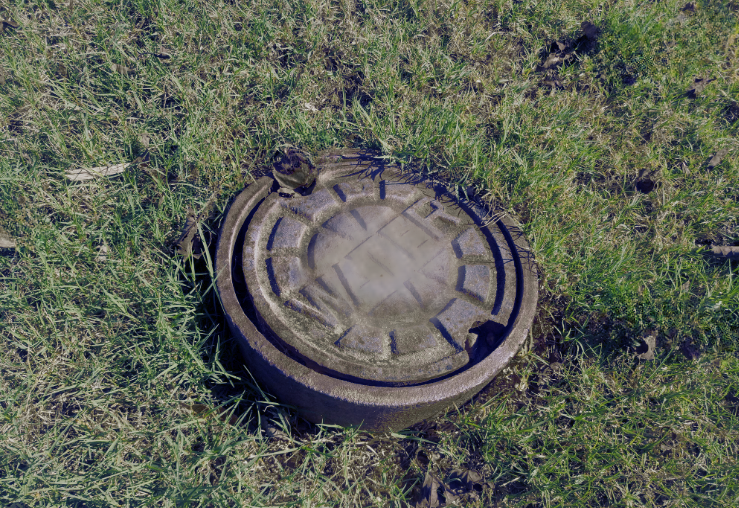
How to Locate and Use Your Main Water Shutoff Valve
Where is your home’s main water shutoff valve, and would you know how to use it in an emergency? This Houston homeowner’s guide explains how to locate the true main shutoff, how to operate it safely, and why knowing this information matters—especially in older homes.
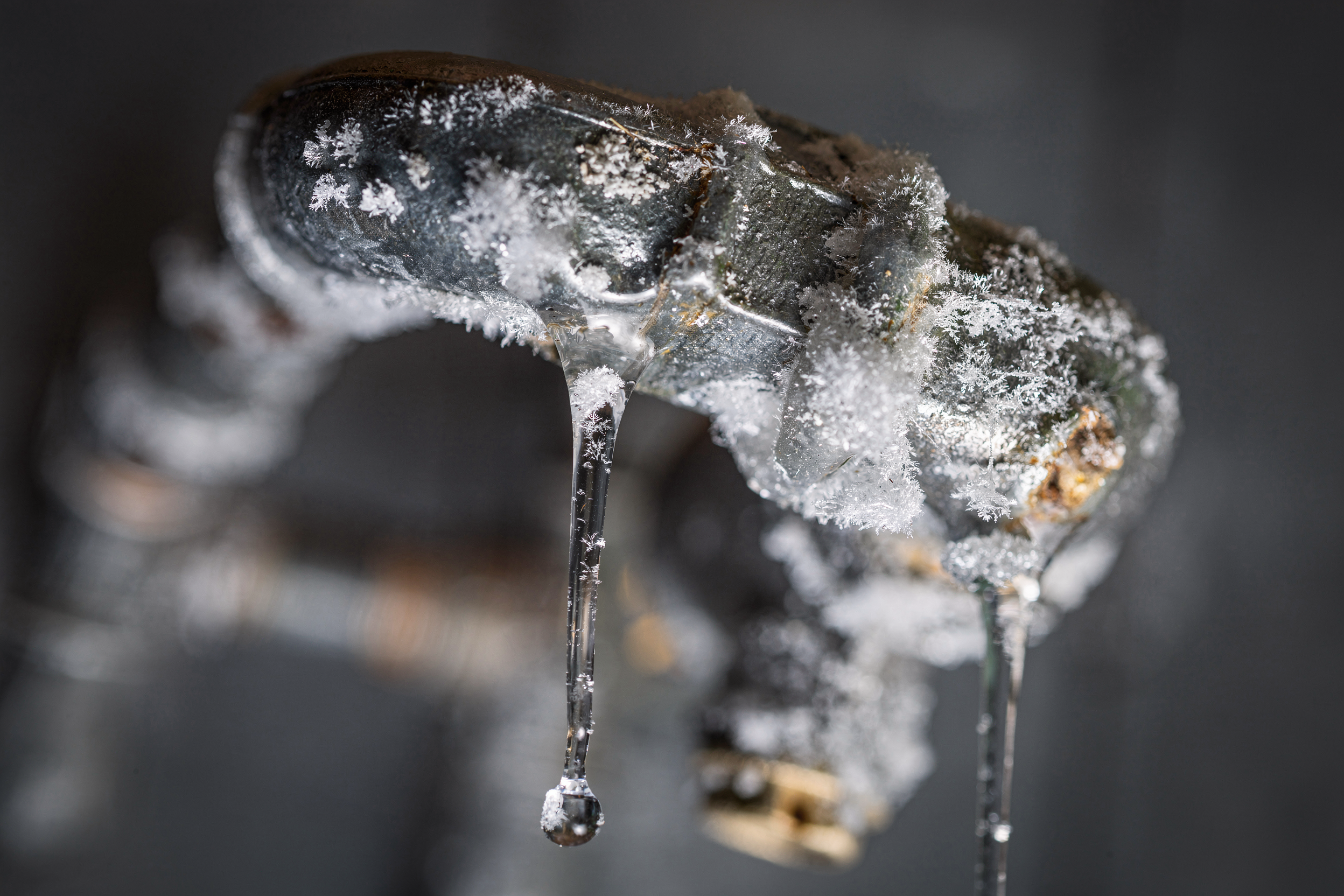
What to Do If Your Pipes Freeze (Houston Homeowners Guide)
Freezing temperatures in the Houston area don’t have to last long to cause plumbing problems—especially in older homes. Because many local homes were built for heat, not sustained cold, pipes can freeze faster than homeowners expect. This guide explains how cold a house has to be for pipes to freeze, how long freezing takes, warning signs to watch for, and what to do if your pipes are already frozen.
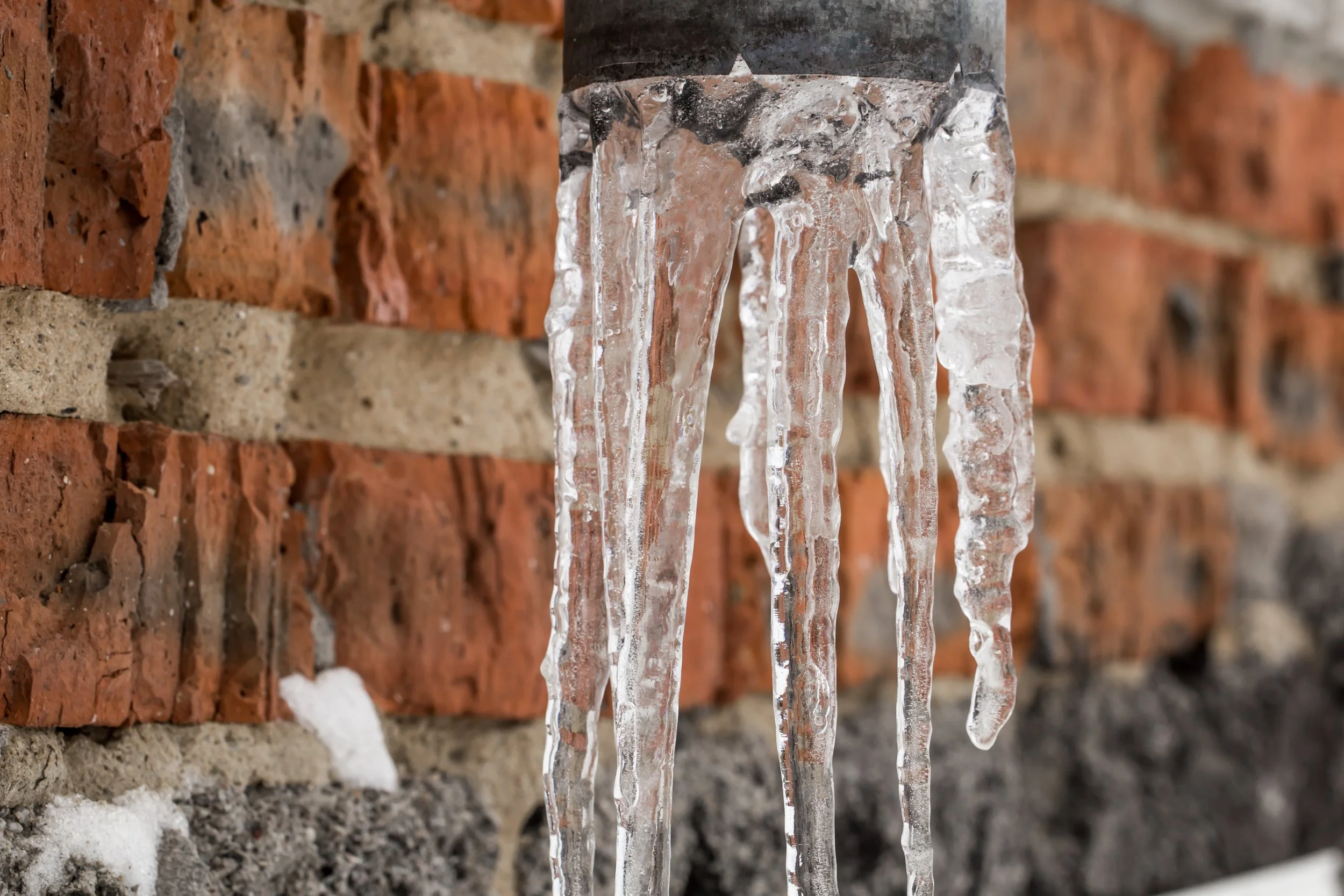
Winterizing Older Homes in the Houston Area: What to Do Before a Freeze
Freezing temperatures in the Houston area may be brief, but the damage they cause—especially in older homes—can be significant. Because many Houston homes were built for heat, not sustained cold, short freezes can quickly lead to frozen or burst pipes if homes aren’t properly prepared. Maintaining indoor heat, protecting exposed plumbing, and understanding how older systems respond to cold can make the difference between a minor inconvenience and a major repair. If your home still has galvanized pipes, freezing weather adds another layer of risk—We Do Repipes helps homeowners replace aging systems with modern, cold-resistant PEX designed to better handle Houston’s winter conditions.