
How to Locate and Use Your Main Water Shutoff Valve
A Houston Homeowner’s Guide
Knowing how to shut off your home’s water supply is one of the most important things you can do as a homeowner. During plumbing emergencies—such as frozen pipes, burst lines, or major leaks—being able to turn off the water quickly can prevent extensive damage.
For homeowners in the Houston area, especially those living in older homes, understanding where your main water shutoff valve is located and how to use it is critical. Many Houston homes were built decades ago, and shutoff locations are not always obvious.
What Is the Main Water Shutoff Valve?
The main water shutoff valve controls all water entering your home from the city supply. When this valve is turned off, water stops flowing to every fixture, appliance, and pipe inside the house.
This is the valve you use in situations like:
Burst or actively leaking pipes
Frozen plumbing
Water heater failures
Major slab or wall leaks
Extended power outages during freezing weather
Every homeowner should know where this valve is before an emergency happens.
Where Is the Main Water Shutoff Valve Located in Houston Homes?
The location of the main shutoff valve varies depending on when the home was built and how plumbing was originally installed.
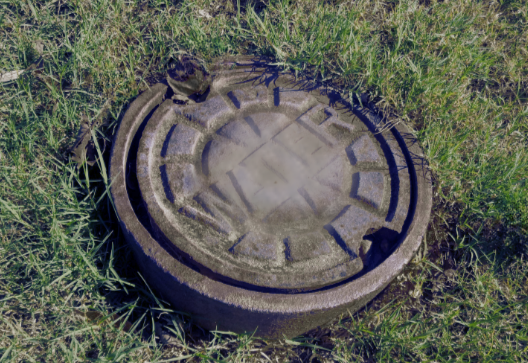
Common Main Shutoff Locations in Houston
Inside the home:
Near the front of the house where the main water line enters
Inside a garage or utility room along the street-facing wall
Outside the home:
Mounted on the exterior wall near the foundation
Inside a ground-level meter box near the curb
In many older Houston homes, the only true main shutoff may be at the city water meter near the street.
Important Clarification: What Is Not the Main Shutoff
Valves located:
Under kitchen sinks
Under bathroom sinks
Behind toilets
Near washing machines
These are fixture shutoff valves, not the main water shutoff. They control water to individual fixtures only and will not stop water flow to the rest of the home during an emergency.
This is a common point of confusion in older homes, especially when no interior main shutoff is clearly visible.
How to Identify the Main Water Shutoff Valve
The main shutoff valve is usually larger than fixture valves and located on the main water line entering the house.
Common valve types:
Round wheel valve (common in older homes)
Lever-style ball valve (more common in newer installations)
Wheel valves require several turns to close.
Ball valves shut off when the handle is turned perpendicular to the pipe.
If you’re unsure, follow the pipe from where it enters the home—this typically leads to the main shutoff.
How to Shut Off the Water Safely
Follow these steps:
Turn the valve clockwise to shut off the water
Turn slowly and steadily—do not force it
Check faucets inside the home to confirm water has stopped
If the valve is stuck, heavily corroded, or won’t turn, do not force it. Older valves can break when stressed. If this happens, shut off water at the city meter and contact a professional.
When Should You Shut Off the Main Water?
You should shut off your water immediately if you notice:
A burst or actively leaking pipe
Frozen pipes with little or no water flow
Water pooling in walls, ceilings, or floors
A failed water heater
It’s also smart to shut off water if:
You’re leaving town for an extended period
Power is out during freezing temperatures
Major plumbing work is underway
Why Knowing This Matters More in Older Houston Homes
Older Houston homes often have:
Galvanized or aging copper pipes
Shutoff valves that are stiff or corroded
Long pipe runs through attics, exterior walls, or crawlspaces
When leaks occur in these homes, damage can spread quickly and remain hidden longer. Knowing how to shut off the water gives you time to assess the situation calmly and limit damage.
Test Your Shutoff Valve Before You Need It
Don’t wait for an emergency to discover whether your shutoff valve works.
Once or twice a year:
Locate the main shutoff
Gently turn it off and back on
Confirm water flow stops and resumes properly
If the valve is difficult to operate or leaks afterward, it may need replacement.
A Note on Emergencies and Long-Term Plumbing Health
If a plumbing emergency exposes recurring issues—such as low water pressure, rusty water, or repeated leaks—it may indicate that aging pipes are nearing the end of their lifespan.
Being able to shut off the water gives you control in the moment and time to consider long-term solutions instead of reacting under pressure.
Final Takeaway
Every Houston homeowner should know:
Where the main water shutoff valve is located
How to turn it off safely
When to use it
A few minutes of preparation can prevent thousands of dollars in water damage.

