The Complete Houston Whole-House Repipe Guide
If you’re dealing with rusty water, low pressure, or recurring leaks, your home may not need another repair — it may need a full system replacement.
This guide explains:
When a whole-house repipe becomes necessary
How long pipes last in Houston homes
Warning signs of system failure
Repair vs replacement decisions
What to expect during a repipe
If you prefer direct answers, you can schedule a free in-home repipe inspection at any time. Call 832-819-8337 to speak with an expert.
What Is a Whole-House Repipe?
A whole-house repipe replaces every aging water supply line in your home.
This includes:
Hot and cold water lines
Lines inside walls
Lines running through the attic or beneath the slab
Connections to fixtures throughout the home
Repiping eliminates recurring leaks, pressure loss, and hidden pipe deterioration by replacing the system at once — not repairing it section by section.
In Houston, most repipes involve replacing:
Aging copper
Galvanized steel
Polybutylene systems

How Long Do Pipes Last in Houston Homes?
Pipe lifespan depends on material, installation quality, and environmental conditions.
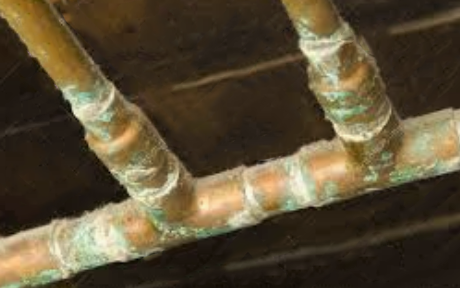
Copper Pipes
Typical lifespan: 25–80 years
In many Houston homes built in the 1980s and 1990s, copper systems are now reaching the failure window. Pinhole leaks and pressure loss become more common as internal corrosion progresses. The type of copper used will determine the life of your copper pipes.
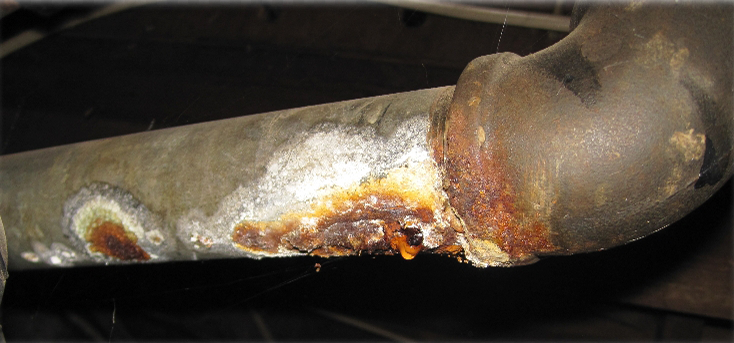
Galvanized Pipes
Typical lifespan: 40–50 years
Galvanized steel corrodes internally over time. Rust buildup restricts flow and often causes brown or discolored water. Nearly all remaining galvanized plumbing in Greater Houston homes is approaching its lifespan.
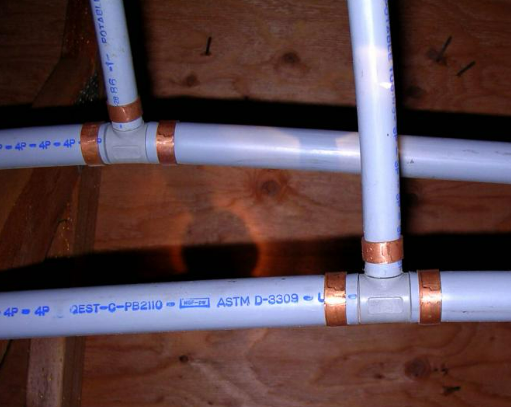
Polybutylene Pipes
Common in homes built late 1970s–1990s
Known for sudden failures. Many insurance carriers flag or deny coverage for polybutylene systems. If your home still has Polybutylene Pipes, immediate repiping is recommended.
CPVC Pipes
Typical lifespan: 50–75 years
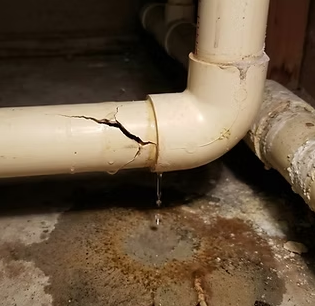
Common in homes built after the 1970s, CPVC is a corrosion-resistant plastic piping material.
When properly installed, CPVC is generally durable and reliable. Over time, it can become brittle if exposed to excessive heat or chemical stress, but it does not rust like galvanized or corrode like copper.
Houston Environmental Factors
Mineral-heavy water
Expansive clay soil
Slab foundations
Temperature variation
These conditions can accelerate pipe wear.
For more detail on water-related deterioration, see our Hard Water & Pipe Damage Guide.Is Your Plumbing Past Its Prime?
If you think your plumbing has reached its lifespan, schedule a free inspection today. Call 832-819-8337.
Signs Your Houston Home May Need a Whole-House Repipe

These symptoms often indicate system-wide pipe deterioration — not isolated plumbing issues.
Recurring Leaks
Two or more leaks in different areas within a short timeframe often signal aging pipes throughout the system.
Repairing one section does not stop corrosion elsewhere.
Brown or Rust-Colored Water
Persistent discoloration can indicate internal corrosion.
If flushing fixtures does not resolve the issue, pipe deterioration may be the cause.
Sudden or Gradual Water Pressure Loss
Internal buildup narrows pipe diameter over time.
Reduced pressure throughout the home — especially when multiple fixtures are running — commonly points to aging supply lines.
Temperature Fluctuations
Inconsistent hot and cold water may result from restricted flow inside deteriorating pipes.
Slab Leaks
Warm spots, unexplained moisture, or rising water bills can indicate under-slab pipe failure.
In many Houston homes, slab leaks are not isolated events — they are part of a broader aging system.
Learn more in our Houston Slab Leak Guide.
Increasing Plumbing Repair Frequency?
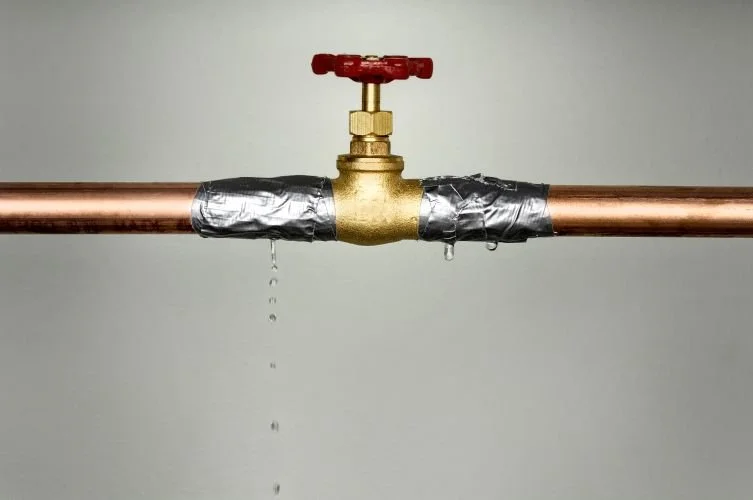
If you are calling for plumbing repairs every year, or multiple times within a few years, your system may be reaching the tipping point.
When repairs become predictable, replacement becomes practical.
For help evaluating this decision, visit our Repair vs Repipe Decision Center.
Repair vs Repiping: When Does Replacement Make Sense?
Not every leak requires a full repipe.
Replacement becomes the smarter option when:
Pipes are 30+ years old
Leaks are recurring in different areas
Water pressure continues declining
Slab leaks develop
Repair costs are accumulating
A whole-house repipe eliminates the cycle of repeated repairs. It provides a long-term solution rather than a temporary fix.
If you are unsure which direction makes sense, an experienced repipe specialist can evaluate your system and provide a clear, written recommendation. Speak with an expert today, 832-819-8337.

What to Expect During a Whole-House Repipe
Most Houston homes are completed in as little as 1–2 days.
A structured repipe process typically includes:
In-home inspection and written quote
Protection of floors and work areas
Installation of new PEX-A or Type-L copper lines
Strategic wall access (only where needed)
Pressure testing of the new system
Drywall repairs and final walkthrough
Water is typically restored the same day during installation.
Repiping is a major upgrade — but with an experienced, in-house team, the process is controlled and predictable.
Plumbing Material: PEX-A vs Type-L Copper Plumbing
Most Houston repipes use either PEX-A or Type-L copper.

Why Many Homes Choose PEX-A
Flexible routing
Fewer fittings behind walls
Resists corrosion and mineral buildup
Efficient installation

When Copper Makes Sense
Homeowner preference for metal piping
Certain layout conditions
Partial system replacements
The right choice depends on layout, pipe condition, and long-term goals. A proper inspection determines what fits your home. For a deeper comparison, see our PEX vs Copper breakdown.
Is Repiping Covered by Insurance in Texas?
Coverage varies by policy.
In general:
Sudden pipe bursts may be covered
Gradual deterioration usually is not
Pipe replacement itself is usually excluded
Homeowners should confirm specifics with their provider.
Even without coverage, proactive replacement often prevents far more expensive structural damage.
Does Repiping Increase Home Value?
Repiping improves:
Inspection outcomes
Buyer confidence
Insurance eligibility
Long-term reliability
While it may not always increase value dollar-for-dollar, it removes a major red flag for future buyers.
Frequently Asked Questions About Repiping in Houston
How much does a whole-house repipe cost in Houston?
1
Cost depends on home size, layout, pipe material, and access requirements. A written quote after inspection provides accurate pricing.
How long does a repipe take?
2
Most homes are completed in 1–2 days.
Will walls be opened?
3
Yes, but only where necessary for access. Drywall patching and touch-ups are typically included.
Can I stay in my home during the repipe?
4
In most cases, yes. Water may be turned off during work hours but restored the same day.
How do I know if I need repiping instead of a repair?
5
If leaks are recurring, pipes are aging, or pressure continues declining, a full system evaluation is recommended.
NEXT STEPS
Confirm Whether a Whole-House Repipe Is the Right Solution
If you're seeing recurring leaks, rusty water, or pressure loss, the next step is a professional evaluation.
Schedule your free in-home whole-house repipe inspection with We Do Repipes.
One of our experienced, in-house repipe specialists will:
Walk your home and assess your current piping system
Identify failing or aging water lines
Review routing options based on your layout
Explain PEX-A vs Type-L copper if applicable
Provide a clear, written quote with a timeline
No guesswork. No temporary fixes. No sales pressure.
Schedule your Houston whole-house repipe inspection today. Call 832-819-8337.
Get No-Obligation Repipe Consultation (Free Quote)
Schedule your free no-obligation repipe consultation by calling us direct at 832-819-8337.
After Hours?
If it's after hours, you can request a callback by completing the form below, or use our online booking app to schedule your in-home consultation.

Book an Appointment Online
Schedule your in-home repipe consultation below for a free quote.
Why Houston Homeowners Recommend We Do Repipes
Repipe Specialists- Trusted by Thousands of Homeowners Across the Greater Houston Area