
Why Pipes Often Fail Weeks After a Freeze
…and not during the freeze
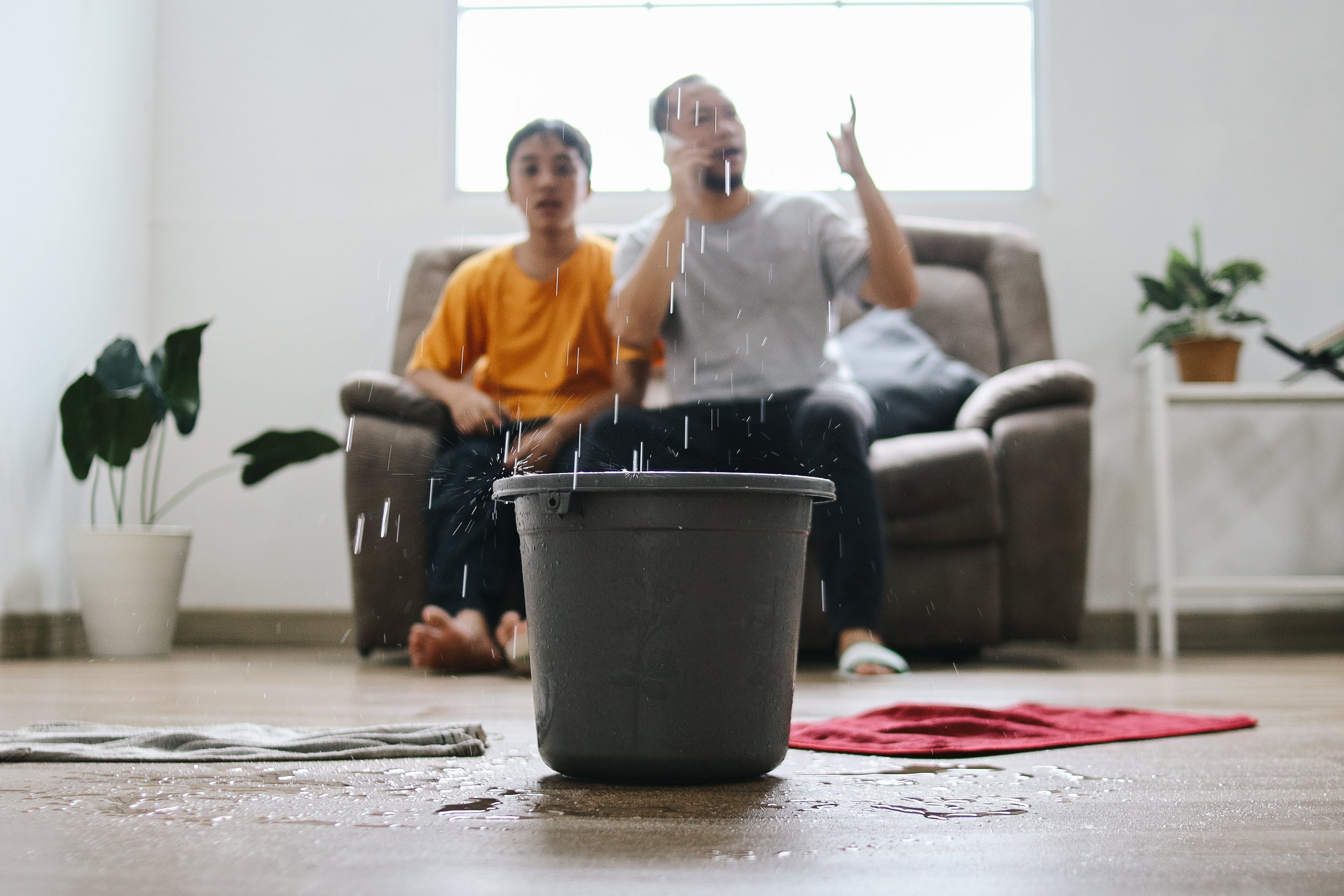
When Houston experiences a freeze, most homeowners breathe a sigh of relief once temperatures rise and nothing dramatic happens. No burst pipes. No flooding. Everything seems fine.
But here’s the part many people don’t realize: freeze-related pipe damage often shows up weeks later — not during the cold snap itself.
That delay is exactly why post-freeze plumbing problems catch homeowners off guard.
What Actually Happens to Pipes During a Freeze
When temperatures drop, water inside pipes expands as it freezes. That expansion puts stress on the pipe walls, fittings, and joints. In many cases, the pipe doesn’t burst outright. Instead, it weakens.
Think of it like bending a paperclip. It may not snap the first time — but the damage is already there.
Once temperatures warm and water pressure returns to normal, those weakened areas are again under stress. That’s when small cracks widen, fittings loosen, and slow leaks begin.
Why Damage Often Shows Up Later
Several factors contribute to delayed pipe failures after a freeze:
• Hairline cracks that don’t leak immediately
• Joints and fittings that loosen gradually
• Corrosion inside older pipes that worsens after expansion
• Pressure changes once normal water usage resumes
In older Houston homes — especially those with galvanized or aging copper pipes — this delayed failure is even more common. Pipes that were already near the end of their lifespan don’t always survive freeze stress quietly.
Common Signs of Post-Freeze Pipe Damage
Many homeowners miss the early warning signs because they’re subtle:
• Slight drops in water pressure
• Discolored or rusty water
• Damp drywall, ceilings, or baseboards
• Musty smells with no visible leak
• Small increases in water bills
These issues often start small and worsen over time—sometimes weeks after the freeze has faded from memory.
Why “No Burst Pipes” Doesn’t Mean You’re in the Clear
A burst pipe is obvious and immediate.
Freeze-weakened pipes are quiet.
That’s why homeowners often assume they escaped damage, only to discover leaks later during spring — when homes are used more, guests visit, and water demand increases.
Catching issues early keeps repairs smaller, cleaner, and far less disruptive.
Below is a simple post-freeze plumbing checklist Houston homeowners can use to spot issues early.
Post-Freeze Plumbing Checklist for Houston Homeowners

Use this checklist in the weeks following a freeze — even if everything seems normal.
Check water pressure.
Turn on multiple fixtures. If pressure feels weaker than usual, it may indicate internal pipe damage.Look for discoloration.
Rusty or cloudy water can signal corrosion that worsened during freezing temperatures.Inspect visible pipes.
Check under sinks, in garages, utility rooms, and exterior walls for moisture or corrosion.Watch walls and ceilings.
Look for new stains, bubbling paint, or soft drywall — especially in bathrooms and kitchens.Monitor your water bill.
An unexplained increase can be an early sign of a hidden leak.Listen for unusual sounds.
Hissing, tapping, or running water sounds from fixtures when they are off may indicate a leak.Pay attention to odors.
Musty or damp smells can appear before visible water damage.
If you notice one or more of these signs, it’s worth addressing sooner rather than later. If you have questions, we are here to help Houston Metroplex area residents. Call 832-819-8337 and speak with an expert.
