
What to Do If Your Pipes Freeze (Houston Homeowners Guide)
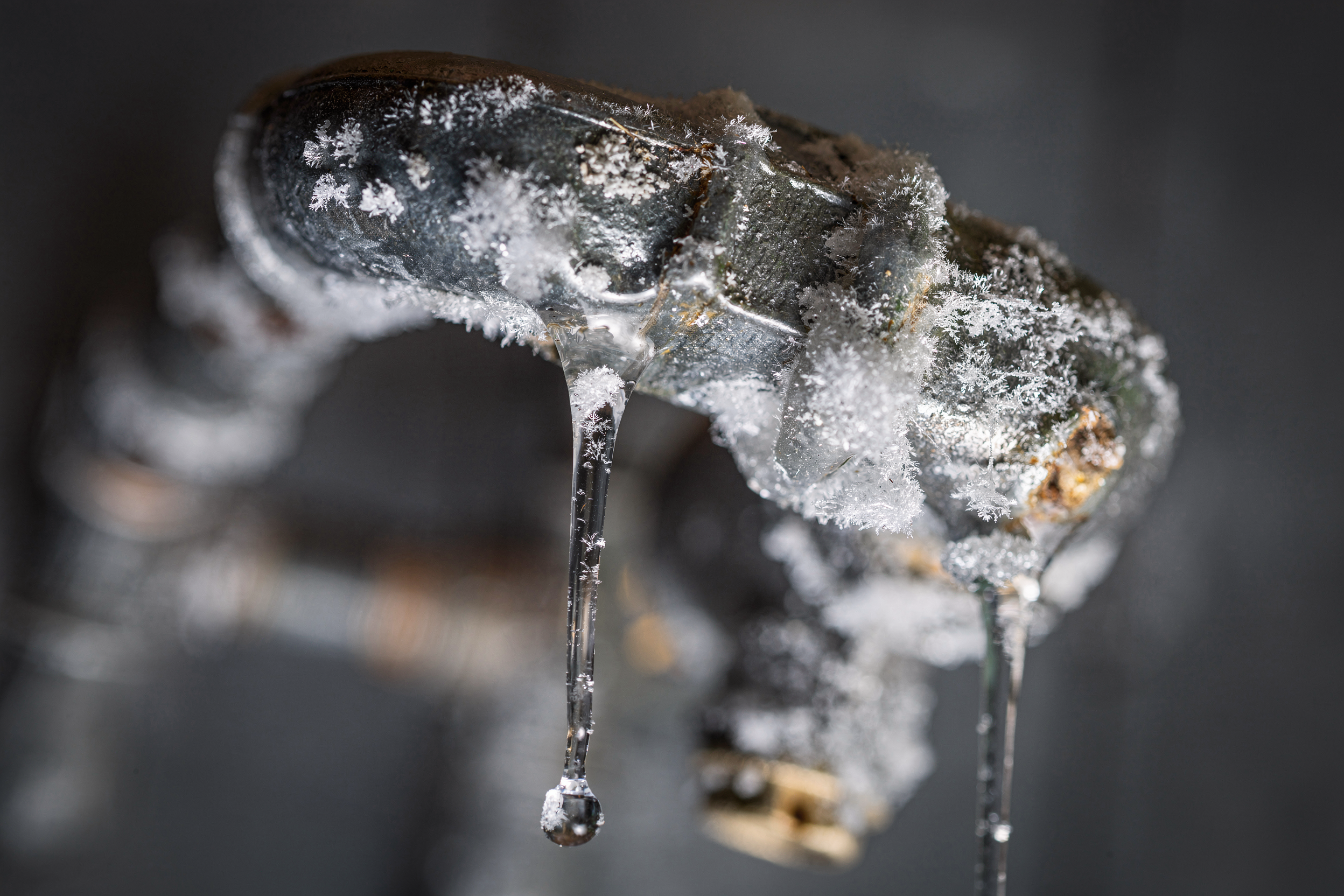
Freezing temperatures—even short ones—can cause serious plumbing damage in Houston homes, especially older properties that weren’t designed for sustained cold. If you suspect your pipes are frozen, acting quickly can help reduce damage and prevent a burst pipe.
Below are safe, practical steps homeowners can take, along with guidance on when to call a professional.
Signs Your Pipes May Be Frozen
Before visible damage appears, frozen pipes often show warning signs.
Low or no water flow from faucets
Unusual smells coming from drains or faucets
Frost or condensation on exposed pipes
Banging, whistling, or cracking sounds in walls
If you notice these signs during freezing weather, take action immediately.
What to Do If Your Pipes Are Frozen
Shut off the main water supply
Turning off the main water valve prevents additional pressure from building inside the pipe, reducing the risk of a burst if ice expands.
Open affected faucets slightly
Open faucets connected to the frozen pipe to relieve pressure. Leave them partially open so water has an escape path if the pipe cracks.
Apply safe heat to exposed pipes
If the frozen pipe is visible and accessible, gently warm it using a hair dryer or a safely positioned space heater.
Never use open flames, torches, or grills. These create fire hazards and can damage pipes.
Call a professional if the pipe won’t thaw
Frozen pipes can stretch, crack, or weaken even if they don’t immediately burst. A professional evaluation helps prevent future failures, especially in older plumbing systems.
Should You Shut Off the Water If Pipes Freeze?
Yes. If you suspect frozen pipes, shutting off the main water supply is one of the most important steps you can take. This prevents additional water from entering the system and limits damage if a pipe fails.
This is especially critical if you’re away from home or dealing with freezing temperatures overnight.
Should You Open Faucets When Pipes Are Frozen?
Yes. Opening faucets helps relieve pressure inside the frozen pipe. If the pipe bursts, opening faucets also reduces flooding by giving water an outlet other than the damaged section.
How to Help Prevent Pipes From Freezing
Prevention is always the safest approach—especially in Houston, where plumbing systems rely heavily on indoor heat.
Keep the thermostat set to at least 55°F, day and night
Keep heat on in all rooms with plumbing
Open cabinets under sinks to allow warm air circulation
Insulate exposed pipes in garages, attics, and crawlspaces
Wrap outdoor spigots and disconnect hoses
Seal air leaks around doors, windows, and pipe penetrations
Allow faucets on exterior walls to drip during freezing weather to keep water moving.
At What Temperature Do Pipes Freeze?
Uninsulated pipes can begin freezing at 32°F.
In practice, most pipes don’t experience a hard freeze until temperatures fall below 20–21°F for several hours.
Insulated pipes are more resistant but can still freeze if cold persists or if heat is lost.
How Long Does It Take for Pipes to Freeze?
Pipes can freeze in as little as 6 to 8 hours, depending on conditions such as:
Pipe material (metal freezes faster than flexible piping)
Insulation quality
Exposure to wind or outdoor air
Whether the home maintains heat
Pipes in unheated spaces freeze faster than those inside conditioned walls.
Will Frozen Pipes Thaw on Their Own?
Frozen pipes may thaw once temperatures rise, but that doesn’t mean they’re undamaged. Pipes that freeze often weaken, increasing the risk of leaks or bursts later.
Shutting off the water and relieving pressure reduces the chance of delayed failure.
How Long Does It Take for Pipes to Unfreeze?
Thaw time depends on surrounding temperatures. If conditions remain just above freezing, pipes may take several hours to thaw completely. Applying gentle heat can speed the process safely.

A Note for Homes With Galvanized Plumbing
Older galvanized pipes are especially vulnerable during freezing weather. Restricted flow from corrosion increases freeze risk, and rigid metal is far more likely to burst under pressure.
If freezing weather has exposed recurring plumbing concerns, it may be time to consider a long-term solution rather than crossing your fingers each winter.
We Do Repipes replaces aging systems with insulated, cold-resistant PEX designed for durability and peace of mind. Call 832-819-8337 and speak with a member of the We Do Repipes team.
