
Winterizing Older Homes in the Houston Area: What to Do Before a Freeze
When freezing temperatures hit Houston, they tend to cause more damage than people expect. Not because homeowners are careless—but because our homes, utilities, and infrastructure were never designed for sustained cold.
This is especially true for older homes.
If you live in a house built decades ago, winter preparation matters even more. A short freeze combined with power loss can quickly turn into frozen or burst pipes, water damage, and costly repairs. The good news is that most freeze damage is preventable with the right preparation.
Why Short Freezes Cause Disproportionate Damage in Houston
Houston homes are built to handle heat and humidity, not prolonged cold. That design reality affects insulation, plumbing placement, and heating systems.
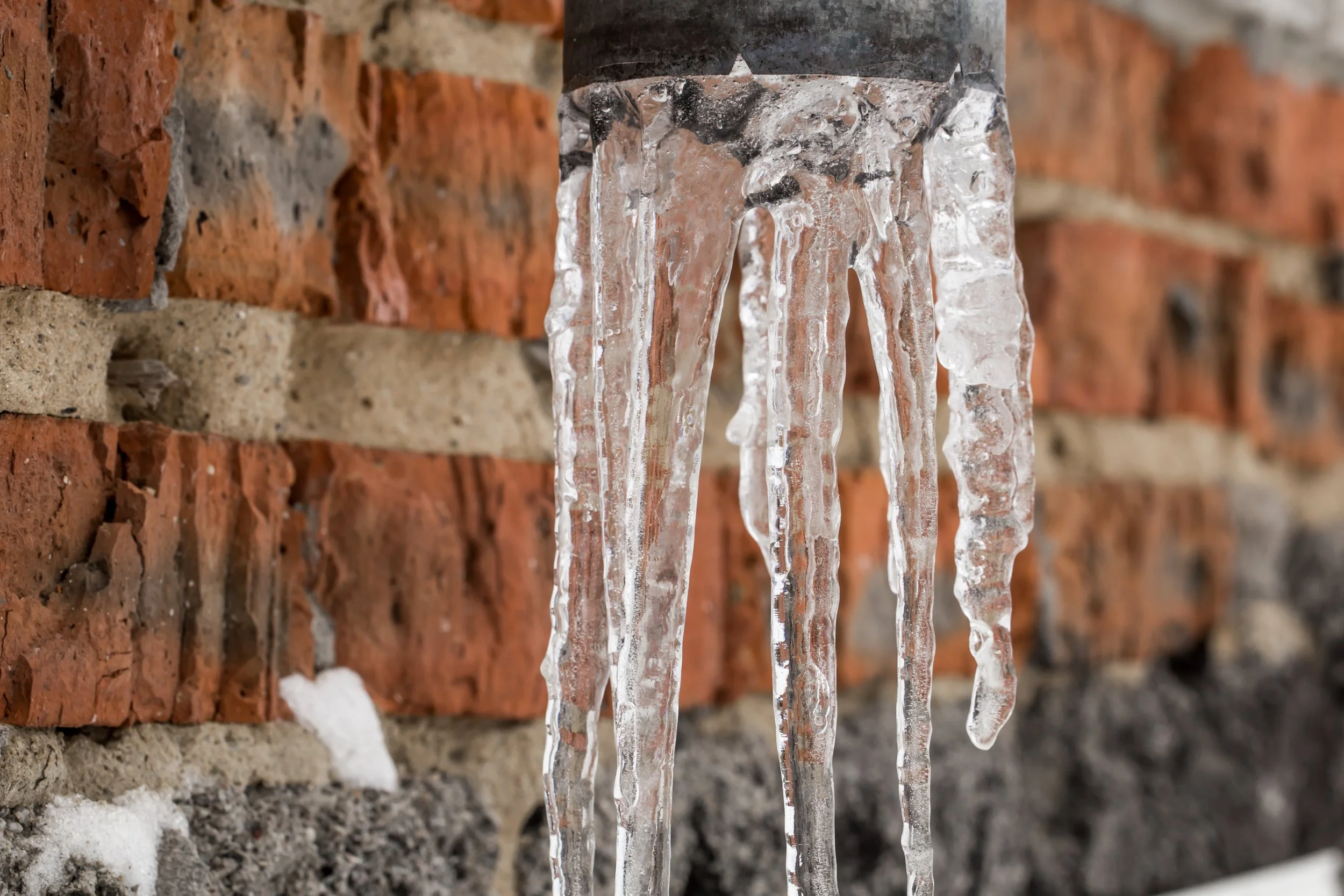
Here’s why even a brief freeze can create major problems.
Insulation standards prioritize cooling, not heat retention
Homes in this region are designed to keep heat out during long summers. Wall insulation, attic insulation, and air sealing are often lighter than in cold-weather states. In older homes, insulation may be minimal, settled, or degraded altogether. When temperatures drop, pipes lose heat faster than homeowners realize.
Plumbing is routed through vulnerable areas
In many Houston homes—especially those built before modern freeze-protection standards—pipes often run through exterior walls, attics, garages, crawl spaces, or raised foundations. In colder regions, plumbing is typically kept deep inside a conditioned space. Here, short cold exposure can freeze pipes quickly.
Older pipe materials freeze and fail faster
Galvanized steel and copper plumbing are common in older Houston homes. These materials freeze more quickly than modern flexible piping and are far more likely to burst instead of flex. Corrosion inside older pipes also restricts water flow, increasing freeze risk.
Heating systems aren’t designed for sustained cold
Houston heating systems are sized for mild winters. During extended cold snaps, they may struggle to maintain consistent temperatures throughout the home—especially in add-on rooms, bathrooms, or laundry areas. If power is lost, the home loses its primary defense against freezing almost immediately.
Homes are not sealed for cold continuity
Older doors, windows, attic access panels, and wall penetrations allow cold air to enter quickly. Even if the main living space feels warm, cold pockets can form where the plumbing is located.
The result is a system that works well most winters—but fails fast when cold lasts longer than expected.
Your Home’s Heat Is the Best Defense Against Freezing Pipes
The most important winterization step in Houston is maintaining indoor heat.
Heat protects pipes you can’t see—inside walls, ceilings, and floors.
If you have central heat, keep it running continuously during freezing weather. Avoid turning the system off overnight, even if temperatures seem manageable.
If you do not have central heat, it’s critical to keep all rooms with plumbing safely warm. Bathrooms, kitchens, laundry rooms, and any room with water lines must be heated. Warming only the living room while other areas go cold leaves pipes vulnerable.
Use only indoor-rated, safe heating devices. Never rely on ovens, grills, or outdoor heaters indoors. The goal is consistent warmth throughout the home, not just personal comfort.
Keep Water Moving: Why Dripping Faucets Matter in Older Homes
Moving water freezes more slowly than standing water. That’s why dripping faucets are recommended during freezes.
Focus first on faucets located on exterior walls. If possible, drip both hot and cold lines. In older homes with reduced water pressure or partially restricted pipes, maintaining flow is even more important.
A steady drip uses far less water than repairing a burst pipe or dealing with water damage.
Protect Exposed Pipes and Exterior Fixtures
Any pipe exposed to cold air needs attention.
Wrap outdoor spigots with insulated covers. Disconnect garden hoses so water cannot remain trapped. Insulate exposed pipes in garages, utility rooms, crawlspaces, and under raised foundations.
Seal gaps where pipes enter walls. Cold air moves quickly through small openings, especially during wind events.
Many older Houston homes have plumbing routed through areas that newer homes avoid. Taking time to insulate these areas makes a measurable difference.
Attics, Crawlspaces, and Raised Foundations: Hidden Risk Zones
Houston homes vary widely in foundation design, and each presents different freeze risks.
Raised and pier-and-beam homes allow cold air to circulate beneath the floor, exposing plumbing from below. Attics often contain water lines that were never intended to experience freezing temperatures.
Keep attic access doors closed and sealed. Do not block attic ventilation entirely, but focus on insulating pipes and limiting drafts around plumbing penetrations.
If your home has add-on rooms or converted garages, confirm they receive adequate heat. These areas are frequent freeze-failure points.
What to Do If Power Is Lost During a Freeze
If heat cannot be maintained for an extended period, shutting off the main water supply can prevent catastrophic damage.
Know where your main water shutoff is before freezing weather arrives. If power is out and temperatures remain below freezing, draining interior lines may be necessary.
Opening cabinets under sinks can help residual warmth reach pipes, but this is only effective if the home still retains some heat.
Planning for this scenario in advance reduces panic and damage.

Why Older Homes Need Extra Preparation
Older homes are not unsafe—but they do require a smarter approach.
Thinner insulation
Longer pipe runs
Metal piping
Unconditioned plumbing spaces
Rooms without dedicated heat
All of these factors increase freeze vulnerability. Awareness and preparation compensate for design differences.
Final Winterization Checklist Before Temperatures Drop
Heat on in all rooms with plumbing
Faucets dripping where needed
Outdoor fixtures covered
Exposed pipes insulated
Cabinets opened under sinks
Main water shutoff located and accessible
Preparation Beats Repairs Every Time
Houston freezes don’t usually last long—but the damage they cause can linger for months.
A few hours of preparation can prevent burst pipes, water damage, and major repairs. Older homes can withstand freezing weather safely with the right steps taken early.
Galvanized Plumbing?
Older galvanized plumbing can turn a cold snap into an emergency. We Do Repipes replaces aging systems with insulated, cold-resistant PEX designed for durability and peace of mind. Call 832-819-8337 and speak with a member of the We Do Repipes team.
